Choosing a cosmetics supplier is not only about price, assortment, and delivery terms. For a salon, beauty clinic, online store, or retailer in Europe, the supplier also affects product safety, customer trust, and long-term business stability in the wholesale cosmetics market.
Before signing a contract, it is important to understand who you are going to work with. A reliable distributor can provide original products, clear documentation, stable deliveries, and transparent terms of cooperation. An unreliable partner may create problems with product origin, missing documents, delayed shipments, or customer complaints.
This is especially important in the European cosmetics market, where buyers expect quality, transparency, and properly documented products. Even if the price looks attractive, it should be clear where the products come from, who supplies them, and whether their origin can be confirmed.
Why Supplier Verification Matters
The cosmetics market is competitive, and many suppliers offer similar products at very different prices. At first glance, it may seem logical to choose the cheapest option. But in practice, an unusually low price can sometimes hide serious risks.
Products may come from unclear sources, pass through several intermediaries, or lack complete documentation. For a store, salon, or beauty professional, this can lead to problems with customers, returns, repeat purchases, and business reputation.
The main risks include counterfeit products, unclear product origin, missing documentation, unstable deliveries, and loss of customer trust. That is why supplier verification should be done before the first order, not after problems appear.
What Documents a Cosmetics Supplier Should Provide
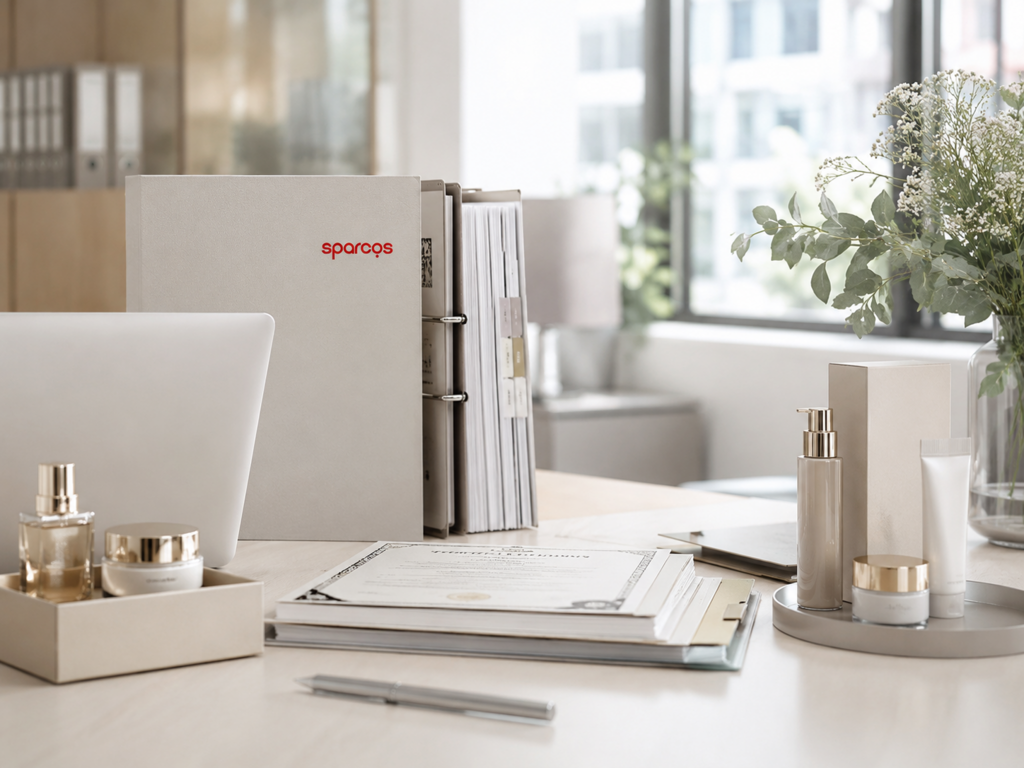
A professional cosmetics distributor should be ready to explain the origin of the products and provide basic business information. This does not mean that every small order requires a long legal process. But if you plan long-term cooperation, documentation matters.
Before starting cooperation, check whether the supplier can provide information about company registration, product origin, import or distribution channels, cooperation with brands, and available product documents.
If the supplier avoids direct questions or gives vague answers, it is better to slow down and request clarification. A transparent company usually understands why these questions are important for business clients.
How to Check the Company Behind the Supplier
The first step is to check the company itself. In many European countries, basic company information can be verified through public business registers or official databases.
Pay attention to how long the company has been operating, whether its status is active, what business activities are listed, and whether the company has a real website and contact details.
A recently registered company is not always a bad sign, but it is a reason to ask more questions. If a supplier claims to work with many brands and business clients, but there is almost no public information about them, this may be a warning sign.
How to Check the Supplier’s Reputation
Reputation is often easier to check than it seems. Start with a simple search of the company name. Look at the website, social media pages, reviews, partner mentions, and how the company communicates online.
A reliable cosmetics supplier usually has a clear website, visible contact information, product categories, professional presentation, and consistent communication.
It is also worth paying attention to how the supplier answers your questions. If the answers are clear, specific, and businesslike, this is usually a positive sign. If communication is delayed, unclear, or too pushy, it is better to be careful.
Brand and Product Verification
If a supplier says they distribute well-known cosmetic brands, check whether this looks realistic. Visit the brand’s official website, look for distributor information, or ask the supplier to explain how the products are sourced.
Some companies resell cosmetics without direct cooperation with the brand or without clear supply channels. At the beginning, this may seem acceptable, especially if the price is attractive. But later it can create issues with authenticity, customer claims, or repeat supply.
Before placing an order, ask where the products come from, whether documentation is available, and whether popular items can be restocked regularly. For a beauty business, stable supply is just as important as the first purchase.
Checklist Before Cooperation
Before signing a contract or placing a large order, check whether the company is officially registered, has a clear website and contacts, can explain product origin, provides product documents, works with known or verified brands, has reviews or partner mentions, offers prices close to the market level, explains delivery and payment terms, and communicates professionally.
This checklist is simple, but it helps avoid many common mistakes. A serious cosmetics distributor will not be surprised by such questions. Transparent cooperation is usually a sign of a reliable partner.
Red Flags of an Unreliable Cosmetics Supplier
Some warning signs can be noticed quite early. One of the most obvious is a price that is much lower than the market average. Discounts and wholesale conditions are normal, but original products with proper supply channels usually cannot be dramatically cheaper without a reason.
Another red flag is missing documentation. If a supplier constantly promises to send documents later, avoids details, or cannot explain product origin, this should raise concern.
You should also be careful if the company has no clear online presence, contacts are limited, delivery terms are unclear, product origin is unknown, prices look too good to be true, or communication feels rushed.
It is better to spend extra time on verification than to deal with product complaints, returns, or supply issues later.
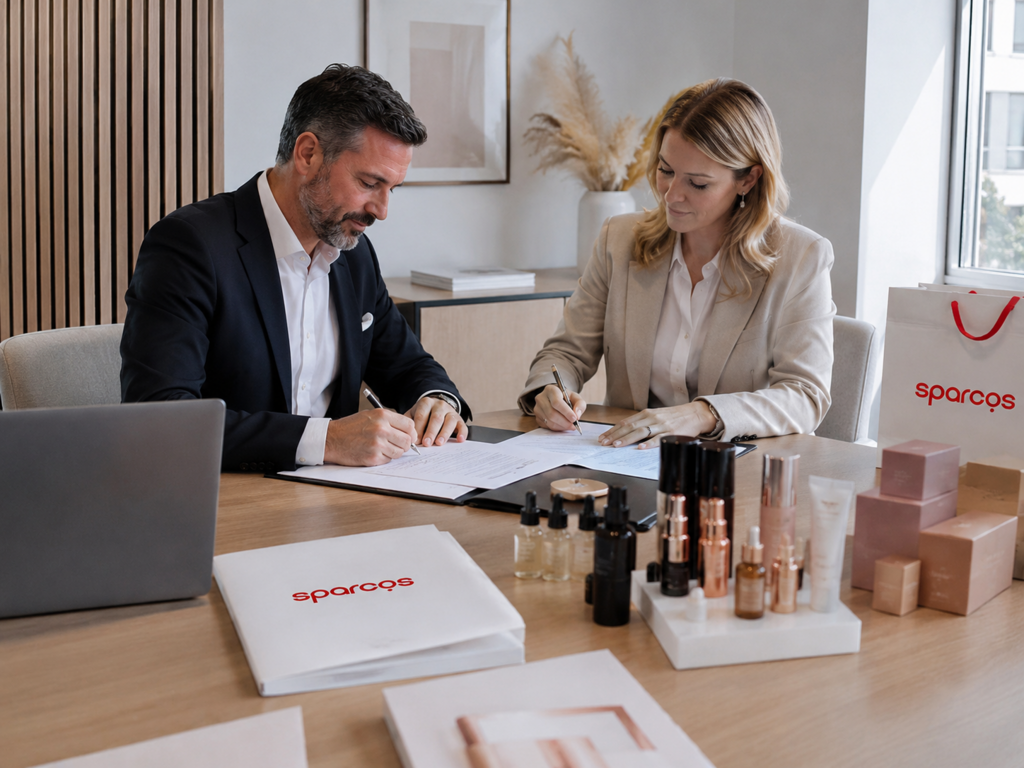
Why Working with a Professional Distributor Is Safer
For salons, beauty stores, and retailers in Europe, working with a professional distributor has clear advantages. You get not only access to products, but also more predictable cooperation.
A reliable distributor can usually offer clear product origin, stable availability, documents when required, consultations on assortment, and better long-term planning.
This is especially useful for businesses that want to grow steadily. When the supplier is reliable, it becomes easier to plan stock, introduce new products, prepare seasonal offers, and maintain customer trust.
See also: How Technology Is Supporting Faster Data Sharing
How Sparcos.eu Can Support Beauty Businesses in Europe
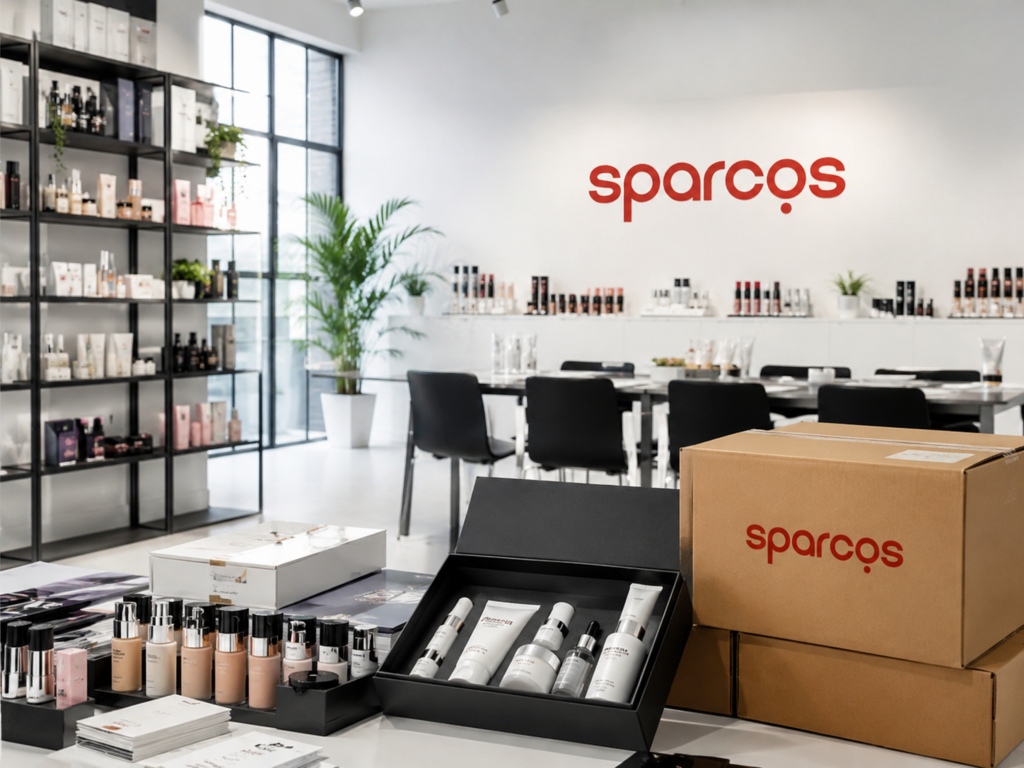
For companies looking for cosmetics wholesale in Europe, Sparcos.eu can be a useful partner. The platform is focused on professional beauty businesses that need access to cosmetics, assortment support, and reliable cooperation.
Salons, retailers, beauty professionals, and online stores can use sparcos.eu to explore wholesale cosmetic products and build a more structured assortment for their business. This means more than simply buying products. A supplier can help with product selection, category planning, and understanding which items may be useful for a specific business model.
This is especially important for new or growing businesses. Instead of purchasing random products, it is better to build an assortment step by step, based on customer needs, product categories, and real demand.
Working with Sparcos.eu can help reduce unnecessary purchases, avoid chaotic stock decisions, and make the launch or expansion of a beauty business more manageable.
What to Remember Before Signing a Contract
Before choosing a cosmetics distributor, do not rush. Check the company, ask about documents, clarify product origin, and evaluate communication. These steps may seem basic, but they often protect businesses from serious problems.
A reliable supplier is transparent from the beginning. They can explain where the products come from, how cooperation works, and what support they can provide after the first order.
For the European beauty market, this approach is especially important. Customers expect quality, businesses need stability, and suppliers should be able to support both. That is why the best partner is not always the one with the lowest price, but the one who helps your business work safely, confidently, and for the long term.