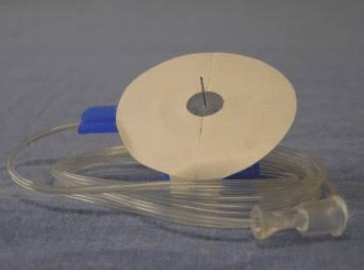
Not every patient needs the same fluid delivery equipment, which is why hospitals stock several types of IV set rather than a single universal design. This overview introduces the major categories before later articles dig into specifics.
Gravity-Fed Sets
The simplest and most widely used category relies on gravity and a manually adjusted clamp to control flow, requiring no electricity and minimal setup time.
Pump-Compatible Sets
Designed to interface with electronic infusion pumps, these sets allow for highly precise, programmable flow rates and built-in safety alarms for occlusions or air detection.
Blood Administration Sets
Built with an in-line filter to catch clots and debris, these sets are specifically designed for transfusing blood products safely.
Extension Sets
Short additional tubing segments that extend reach or add extra injection ports without altering the primary administration set.
See also: Common Challenges Motorcycle Accident Victims Face After a Crash in Colorado Springs
Y-Type Sets
Featuring two spike inlets merging into one line, these allow simultaneous or alternating administration of two different fluids.
Additional Resource
A more detailed breakdown of iv set covers the specific features and appropriate use cases for each category in depth.
Frequently Asked Questions
Do all patients need a pump-compatible set?
No, many stable patients on routine fluids do fine with a simple gravity-fed set.
Why do blood transfusion sets need a special filter?
The filter removes small clots and cellular debris that can form during blood storage, protecting the patient from complications.
What’s the benefit of a Y-type set?
It allows two fluids to run through a single line, which is useful for alternating medications without needing a second IV site.
Conclusion
The variety among IV sets exists because patient needs vary just as widely, from simple hydration to complex multi-drug regimens. Recognizing the major categories is the first step toward choosing the right one confidently.