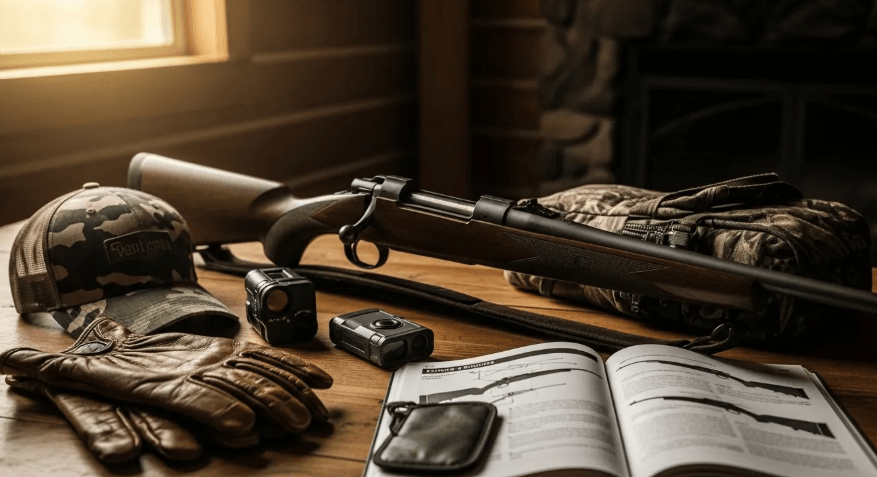
Finding a dependable rifle scope supplier is one of the most consequential sourcing decisions a retailer or distributor can make within the shooting sports accessory category. Product reliability directly affects customer trust, return rates, and ultimately, the long-term profitability of a rifle scope product line.
Why Supplier Selection Carries Significant Weight
The Cost of Getting It Wrong
Unlike many consumer products, rifle scopes must perform reliably under demanding conditions, including recoil, temperature extremes, and moisture exposure. A poor supplier choice can result in elevated return rates, warranty claims, and lasting damage to a retailer’s reputation among discerning shooting sports customers.
Building Customer Trust Through Consistency
Customers who have positive experiences with a specific rifle scope brand often become repeat purchasers across other product categories offered by the same retailer, making initial product quality decisions particularly important for long-term customer relationship building.
Core Evaluation Criteria for Potential Suppliers
Manufacturing Capability and Equipment Investment
Suppliers who have invested in modern CNC machining, precision lens grinding, and coating technology are generally better positioned to deliver consistent optical performance across large production volumes than those relying on outdated or minimal equipment.
Testing and Quality Control Standards
Understanding what testing protocols a supplier applies before shipment, including shock, waterproof, and temperature cycling tests, provides important insight into the likely field reliability of their products.
Track Record and Client References
Suppliers with an established track record serving other reputable retail and distribution partners provide a valuable reference point for evaluating reliability, though buyers should still conduct independent verification rather than relying solely on supplier-provided references.
Understanding Different Supplier Business Models
Factory-Direct Relationships
Working directly with a manufacturing facility typically offers greater transparency into production processes and quality control, along with potentially more competitive pricing compared to working through intermediary trading companies.
Trading Companies and Sourcing Agents
While trading companies can simplify the sourcing process for buyers unfamiliar with international manufacturing, this convenience often comes with reduced transparency and potentially higher costs compared to direct factory relationships.
Practical Steps for Supplier Evaluation
Requesting and Testing Product Samples
Physical sample evaluation remains one of the most reliable ways to verify a supplier’s actual product quality before committing to larger commercial orders.
Conducting Reference Checks
Speaking directly with other buyers who have existing relationships with a potential supplier often reveals practical insights about communication quality and reliability that are difficult to obtain through sales conversations alone.
Retailers evaluating potential sourcing partners can review available manufacturing capabilities through rifle scope supplier resources detailing production processes and product offerings.
Negotiating Terms That Support Long-Term Success
Pricing Structures and Volume Tiers
Understanding how pricing scales with order volume helps buyers plan realistic initial orders while establishing a path toward improved margins as sales volume grows over time.
Warranty and Support Arrangements
Clear warranty terms and defined support processes for handling customer issues provide important protection for retailers, particularly during the early stages of a new supplier relationship.
Building a Resilient Supply Chain
Avoiding Over-Reliance on a Single Supplier
While concentrating volume with a single reliable supplier can improve pricing and relationship strength, maintaining awareness of alternative sourcing options helps protect against unexpected supply disruptions.
Planning for Capacity Growth
As sales volume increases, confirming a supplier’s ability to scale production accordingly helps prevent disruptive supply chain bottlenecks during periods of business growth.
Frequently Asked Questions
What is the biggest risk of choosing a rifle scope supplier based purely on price? The biggest risk is compromised product quality, which can lead to elevated return rates, warranty claims, and long-term damage to customer trust and brand reputation.
How can buyers verify a supplier’s manufacturing claims? Requesting product samples, testing documentation, and conducting factory audits or reference checks provide much more reliable verification than relying on sales representations alone.
Is it better to work with a factory directly or through a trading company? Direct factory relationships generally offer greater transparency and potentially better pricing, though trading companies can simplify sourcing for buyers less familiar with international manufacturing processes.
See also: How Corporate Donation Programs Strengthen Both Communities and Companies
Conclusion
Selecting a reliable rifle scope supplier requires thorough evaluation of manufacturing capability, testing standards, and communication reliability. Retailers who invest appropriate time in this evaluation process are far better positioned to build a successful, sustainable rifle scope product line.