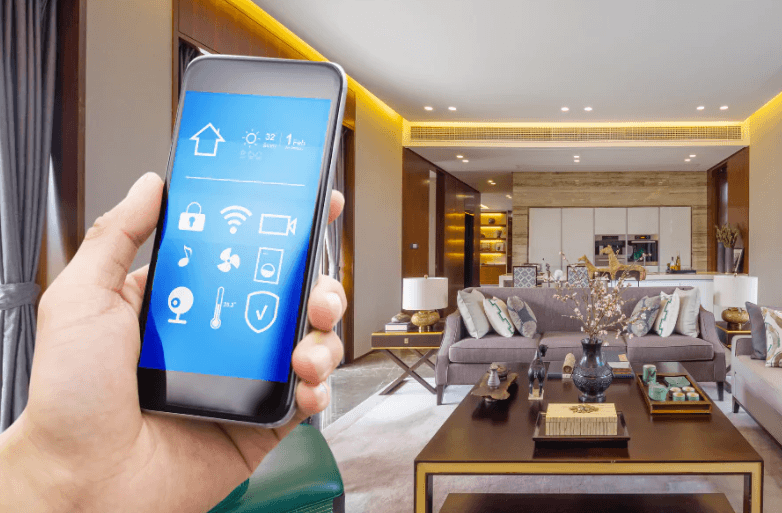
Smart homes are no longer a distant concept reserved for tech enthusiasts or luxury estates. Across the country, everyday households are quietly adopting home automation to simplify their routines—and the results speak for themselves. From lights that turn off on their own to kitchens that practically prep themselves, the way we live at home is changing fast.
Smart Lighting: Beyond the Switch
Flipping a switch feels almost old-fashioned now. With automated lighting schedules, your lights can turn on before you even wake up and dim themselves once you’re in bed—no manual effort required. Beyond convenience, smart lighting systems are designed to reduce energy consumption by only running when needed.
Home automation extends smart lighting into security territory too. Lights programmed to simulate occupancy can deter potential intruders while you’re away, giving you an extra layer of protection without lifting a finger.
Climate Control: Comfort at Your Fingertips
A smart thermostat learns your preferences over time and adjusts the temperature accordingly. Forgot to turn the heat down before leaving for work? A quick tap on your phone fixes it, no matter where you are.
The efficiency gains are real. Smart thermostats reduce wasted energy by heating or cooling your home only when necessary—cutting down utility bills while keeping your living space exactly the way you like it.
Smart Security: Peace of Mind, Elevated
Smart locks, video doorbells, and security cameras have made home security genuinely effortless. You can check who’s at your front door from another room—or another city—and grant access remotely when needed.
This layer of home automation removes the anxiety of wondering whether you locked up properly. Real-time alerts and video feeds put you in control, even when you’re nowhere near home.
Voice Assistants: Your Personal Command Center
Voice assistants tie everything together. With a simple spoken command, you can adjust the lights, set the thermostat, lock the front door, or start a timer in the kitchen. No apps, no screens, no interruptions to what you’re actually doing.
The real value lies in how voice assistants streamline the small, repetitive decisions that quietly eat up your day. Over time, that adds up to significant time saved.
Smart Kitchen Appliances: A Helping Hand
The kitchen is where smart technology feels most personal. Smart coffee makers can start brewing the moment your alarm goes off. Connected ovens allow you to preheat remotely so dinner is ready when you walk through the door. Smart refrigerators can even track what’s inside and suggest recipes based on what you have.
These aren’t gimmicks—they’re tools that genuinely reduce the mental load of everyday cooking and meal planning.
The Future Is Now: Embracing Home Automation
The appeal of home automation comes down to one simple idea: your home should work for you, not the other way around. Every feature discussed here—lighting, climate, security, voice control, and kitchen appliances—is designed to take something that used to require your attention and handle it quietly in the background.
Getting started doesn’t require a full overhaul. Most people begin with one or two devices and expand from there. A smart bulb here, a connected thermostat there—and before long, you have a home that genuinely feels easier to live in.
See also: Condo Buying Tips For First-Time Property Buyers In Singapore
A Smarter, Simpler Everyday
Smart home technology isn’t about making life flashier. It’s about making it calmer. When your home handles the small stuff—lights, locks, temperature, coffee—you get back time and mental space for the things that actually matter.
Home automation has moved well past novelty. For millions of households, it’s simply how life runs now—quietly, efficiently, and without the daily friction that used to go unnoticed. Once you experience that kind of simplicity, it’s hard to go back.