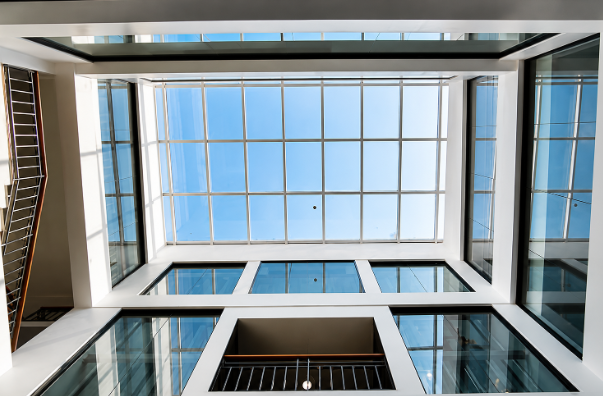
Natural daylight has become an essential part of modern commercial building design. Businesses are increasingly looking for ways to create brighter, healthier, and more energy-efficient workspaces while reducing operational costs. One of the most effective ways to achieve these goals is by installing commercial roof windows that allow daylight to penetrate deep into interior spaces.
Whether managing a warehouse, manufacturing facility, office, retail unit, or educational building, the right roof glazing solution can significantly improve indoor comfort, employee wellbeing, and overall building performance. Beyond aesthetics, these systems support sustainability initiatives, reduce dependence on artificial lighting, and help businesses create more productive environments.
This article explores the benefits, applications, and considerations when choosing roof glazing solutions for commercial properties.
The Growing Importance of Natural Daylight
Commercial buildings consume a substantial amount of energy every day, much of which is used for lighting. Introducing more natural daylight into workspaces can help reduce electricity consumption during daylight hours while creating a more pleasant atmosphere.
Studies consistently show that employees working in naturally lit environments often experience improved concentration, reduced eye strain, and greater workplace satisfaction. Customers also tend to spend more time in bright, welcoming commercial spaces, making daylight an important consideration for retail environments.
Modern roof glazing systems provide controlled daylight without sacrificing thermal performance or weather resistance.
Benefits of Installing Commercial Roof Windows
Choosing commercial roof windows offers several advantages that extend well beyond increased daylight.
Improved Energy Efficiency
Natural light reduces the need for artificial lighting throughout the day. Many modern glazing systems also feature high-performance insulation that helps regulate indoor temperatures during both summer and winter.
This combination contributes to lower energy consumption while supporting environmental goals.
Enhanced Employee Wellbeing
People naturally respond positively to daylight. Bright work environments can help reduce fatigue while creating a more comfortable atmosphere throughout the working day.
For offices, warehouses, schools, and healthcare facilities, improved daylight contributes to healthier indoor environments.
Better Building Appearance
Roof glazing creates a more open and spacious feel within commercial buildings. Visitors, customers, and employees often perceive naturally illuminated spaces as cleaner, more modern, and more welcoming.
Long-Term Value
Quality roof glazing systems require minimal maintenance while offering years of reliable performance. Their durability makes them a practical investment for commercial property owners seeking lasting value.
Applications Across Different Industries
Roof glazing solutions can benefit many different types of commercial properties.
Warehouses and Distribution Centres
Large warehouse spaces often depend heavily on artificial lighting. Installing warehouse roof lights helps introduce daylight across extensive floor areas, creating brighter working conditions while lowering energy costs.
Natural lighting also improves visibility, helping staff perform tasks more efficiently and safely.
Manufacturing Facilities
Production environments benefit from consistent daylight that improves inspection accuracy and overall working conditions. High-quality roof glazing supports productivity without interrupting manufacturing operations.
Office Buildings
Modern offices increasingly focus on employee wellbeing. Daylit workspaces create more attractive environments while reducing reliance on overhead lighting throughout the day.
Meeting rooms, collaborative areas, and communal spaces all benefit from additional natural light.
Educational Buildings
Schools, colleges, and universities use roof glazing to create bright classrooms that support learning while reducing energy expenditure.
Retail and Hospitality
Natural daylight enhances customer experiences by creating inviting interiors that showcase products more effectively.
Restaurants, shopping centres, and hotels frequently incorporate roof glazing into their architectural designs.
Selecting the Right Roof Glazing Solution
Every commercial building has different structural requirements. Selecting the appropriate glazing system depends on factors including roof design, building purpose, insulation needs, and daylight objectives.
Several rooflight styles are commonly used across commercial developments.
Flat Roof Systems
Flat roof glazing remains one of the most popular choices for modern commercial architecture due to its clean appearance and excellent daylight performance.
Pitched Roof Solutions
Buildings with pitched roofs can integrate glazing into existing roof structures while maintaining weather resistance and architectural consistency.
Roof Lanterns
Roof lanterns provide enhanced daylight and architectural appeal, making them particularly suitable for reception areas, atriums, and public buildings.
Why Commercial Building Skylights Continue to Grow in Popularity
Many organisations choose commercial building skylights because they provide balanced natural lighting across large interior spaces.
Unlike traditional vertical windows, skylights distribute daylight more evenly throughout a building, reducing shadows and creating brighter interiors.
Modern glazing technology also provides improved thermal insulation, UV protection, and weather performance, allowing businesses to enjoy natural light without compromising comfort.
Understanding Dome Rooflight Options
Dome rooflights remain a practical solution for many commercial buildings due to their durability and efficient drainage characteristics.
Commercial Dome Skylights
Many industrial facilities choose commercial dome skylights because their curved design helps shed rainwater efficiently while allowing generous daylight into working environments.
These systems are commonly installed on flat roofs where reliable weather protection is essential.
Commercial Skylight Domes
Modern skylight domes are available in various materials, sizes, and performance specifications to suit different building requirements.
Their impact resistance and low maintenance requirements make them suitable for demanding commercial environments.
Industrial Buildings Need Specialist Rooflight Solutions
Industrial premises often require glazing systems designed specifically for demanding operational environments.
High ceilings, expansive floor areas, and continuous operations require products capable of delivering reliable daylight over many years.
Quality industrial rooflights are engineered to withstand challenging weather conditions while maintaining structural integrity and thermal efficiency.
These systems are commonly specified for factories, logistics centres, workshops, and distribution facilities where durability is essential.
Important Factors Before Installation
Before selecting a roof glazing system, businesses should carefully evaluate several considerations.
Building Orientation
The direction of the building affects the amount of sunlight entering throughout the day. Proper positioning helps maximise daylight while minimising overheating.
Thermal Performance
High-performance glazing helps maintain comfortable indoor temperatures and supports lower heating and cooling costs.
Ventilation Requirements
Some roof glazing systems incorporate ventilation features that improve indoor air quality and help regulate internal temperatures.
Safety Compliance
Commercial roof glazing should comply with all relevant building regulations and safety standards, particularly where roof access or fire safety requirements apply.
Maintenance Accessibility
Selecting systems that allow straightforward inspection and maintenance helps ensure long-term performance.
Common Mistakes to Avoid
When specifying commercial roof glazing, businesses should avoid several common mistakes.
- Choosing products based solely on purchase price rather than long-term value.
- Overlooking thermal performance specifications.
- Selecting incorrect glazing sizes for the available roof area.
- Ignoring ventilation requirements.
- Failing to consider ongoing maintenance access.
- Using products that are unsuitable for the building’s operational demands.
Working with experienced roofing and glazing professionals helps ensure the correct solution is selected from the beginning.
See also: Inside The Belcher’s: A Kennedy Town Landmark Worth Knowing About
Conclusion
Natural daylight has become a valuable asset in commercial architecture, helping businesses improve energy efficiency, workplace comfort, and overall building performance. Investing in commercial roof windows provides long-term benefits that extend beyond reduced lighting costs, supporting healthier work environments and more sustainable building operations.
From warehouses and manufacturing facilities to offices and retail developments, modern roof glazing systems offer practical solutions for a wide range of commercial applications. By selecting high-quality products that meet the specific needs of each building, organisations can create brighter, more productive spaces that continue delivering value for many years.